All places in Tokyo

The Ueno Royal Museum is a private art museum located within Ueno Park. Rather than a permanent collection, it focuses on special exhibitions and open-call shows, regularly hosting contemporary art events.

The National Showa Memorial Museum stands in Kudanshita, Chiyoda, Tokyo. It documents everyday life during the Showa era, especially the wartime and postwar years, through artifacts and household objects.

The Okura Museum of Art in Minato, Tokyo, is regarded as Japan's first private art museum. It holds East Asian art and antiquities assembled by businessman Okura Kihachiro, housed in a distinctive Chinese-style building.

The National Film Archive of Japan is the country's only national institution dedicated to film. Located in Kyobashi, central Tokyo, it collects and preserves Japanese and foreign films and holds screenings and film-related exhibitions.

The Meguro Parasitological Museum in Meguro, Tokyo, is a rare museum devoted entirely to parasites. It displays a wide range of parasite specimens, famously including a very long tapeworm, combining research with public exhibition.

The Artizon Museum in Kyobashi, central Tokyo, is the successor to the former Bridgestone Museum of Art, reopened in a new building. It holds a wide collection including Impressionist and modern Western painting and modern Japanese art.

The Mori Art Museum occupies the upper floors of the Mori Tower at Roppongi Hills in Minato. It stages international contemporary art exhibitions and shares its level with the Tokyo City View observation deck.

The Fukagawa Edo Museum is located in Fukagawa, Koto, Tokyo. It recreates the streets, shops, and homes of Fukagawa during the Edo period at life size, letting visitors experience the daily life of ordinary townspeople.

The Tokyo Photographic Art Museum is located in Yebisu Garden Place in Meguro, Tokyo. As a public museum dedicated to photography and moving images, it focuses on collecting these works and staging exhibitions.

The Sumo Museum is located inside the Ryogoku Kokugikan arena in Sumida, Tokyo. It holds materials on sumo's history and culture, including records of past yokozuna, ceremonial aprons, and woodblock prints.

The Setagaya Literary Museum in Setagaya, Tokyo, is a museum devoted to literature. It collects and exhibits materials related to writers connected with the area and regularly holds literature-themed special exhibitions.

The Museum of Maritime Science sits near Odaiba in the Higashi-yashio area of Shinagawa, Tokyo. Known for its ship-shaped building, it presents exhibits on navigation, shipbuilding, and ocean science.

The Printing Museum in Bunkyo, Tokyo, is dedicated to the history of printing. Operated by Toppan, it presents the development of printing technology, type, and printed matter through artifacts and hands-on exhibits.

The Kikuchi Kanjitsu Memorial Tomo Museum is located in Toranomon, Minato, Tokyo. It centers on contemporary ceramics in its collection and exhibitions, showcasing the work of present-day ceramic artists.

The Meguro Museum of Art is a public museum run by Meguro Ward, Tokyo. Set in a park near the Meguro River, it focuses on modern and contemporary Japanese art in both its collection and special exhibitions.

The Mitsui Memorial Museum is housed in the Mitsui Main Building in Nihonbashi, central Tokyo. It preserves Japanese and East Asian art, tea utensils, and paintings collected over generations by the Mitsui family.

The Center of the Tokyo Raids and War Damage documents and exhibits the 1945 firebombing of Tokyo. Through victims' belongings, testimonies, and photographs, it conveys the scale of the air raids and the memory of the war.

The University Art Museum belongs to the Tokyo University of the Arts in Ueno, Taito, Tokyo. It holds artworks the university has assembled over many years along with graduation works, and frequently shows exhibitions by students and artists.

The Gotoh Museum is located in Kaminoge, Setagaya, Tokyo. It holds East Asian classical art collected by Gotoh Keita, the founder of Tokyu, including paintings and tea utensils, set within an expansive garden.

The Kodansha Noma Memorial Museum, in Bunkyo, Tokyo, was operated by the publisher Kodansha. It held and exhibited modern artworks such as Japanese-style paintings collected by the founding Noma family.

The Hasegawa Machiko Art Museum is located in the Sakurashinmachi area of Setagaya. It holds artworks collected by Hasegawa Machiko, creator of the manga 'Sazae-san,' and her sister, along with materials on her own work.

The Setagaya Art Museum stands within Kinuta Park in Setagaya, Tokyo. Surrounded by greenery, it holds exhibitions of modern and contemporary Japanese art, including works by naïve artists.

The Ebara Hatakeyama Museum of Art is located in the Shirokanedai area of Minato. Based on the collection of the industrialist and tea master Hatakeyama Issei, it holds tea utensils and Japanese and East Asian artworks.

The Tokyo Waterworks Historical Museum traces the history of Tokyo's water supply. Using artifacts and models, it shows the development from Edo-period systems such as the Kanda and Tamagawa aqueducts to the modern waterworks.

The Currency Museum of the Bank of Japan is located near the Bank of Japan in Nihonbashi, central Tokyo. Operated by the central bank, it presents Japanese currency and its history from ancient times to the present.

The Toguri Museum of Art is a ceramics-focused museum in the Shoto area of Shibuya. Its collection centers on Japanese porcelain such as Imari and Nabeshima ware, along with Chinese and Korean ceramics.

The Bunkyo Museum is a local history museum for Bunkyo City. It covers the area's archaeological finds, modern daily life, and the many writers associated with Bunkyo such as Mori Ogai.

The Daimyo Clock Museum in Yanaka, Taito, Tokyo, specializes in clocks. It gathers and displays Japanese 'wadokei' clocks made for daimyo lords during the Edo period, illustrating how time was once measured in Japan.

The Setagaya City Local Museum is a folk and history museum run by Setagaya Ward, Tokyo. Located on the grounds of the old Daikan's residence, it displays local history, folklore, and archaeological materials.

The Chihiro Art Museum Tokyo in Nerima, Tokyo, honors picture-book artist Iwasaki Chihiro. Built where she lived, it holds her watercolor paintings of children and original picture-book illustrations.

The Ancient Orient Museum is located in Sunshine City in Ikebukuro, Toshima, Tokyo. It holds and exhibits artifacts and materials from ancient Near Eastern civilizations such as Mesopotamia and Egypt.

The Matsuoka Museum of Art is a private museum in the Shirokanedai area of Minato. Founded on the collection of the businessman Matsuoka Seijiro, it holds ancient sculpture from East and West, East Asian ceramics, and paintings.

The Taro Okamoto Memorial Museum in Aoyama, Minato, Tokyo, commemorates the artist Taro Okamoto. Set in his former studio and home, it preserves his works, sculptures, and the space where he created them.

The Baseball Hall of Fame and Museum presents the hall of fame and history of Japanese baseball. Located at the Tokyo Dome, it displays plaques of inductees along with players' memorabilia and baseball-related materials.

The Nerima Art Museum is a public museum operated by Nerima Ward, Tokyo. Located in a park in the Nukui area, it focuses on modern and contemporary Japanese art and presents a variety of special exhibitions.

The Tabata Memorial Museum of Writers and Artists is located in Tabata, Kita, Tokyo. It focuses on the writers and artists who gathered in the Tabata area during the Taisho and early Showa periods, presenting their materials and lives.

The Japan Football Museum is located in Hongo, Bunkyo, Tokyo. Run by the Japan Football Association, it covers the history of the national teams along with memorabilia, trophies, and other football-related exhibits.
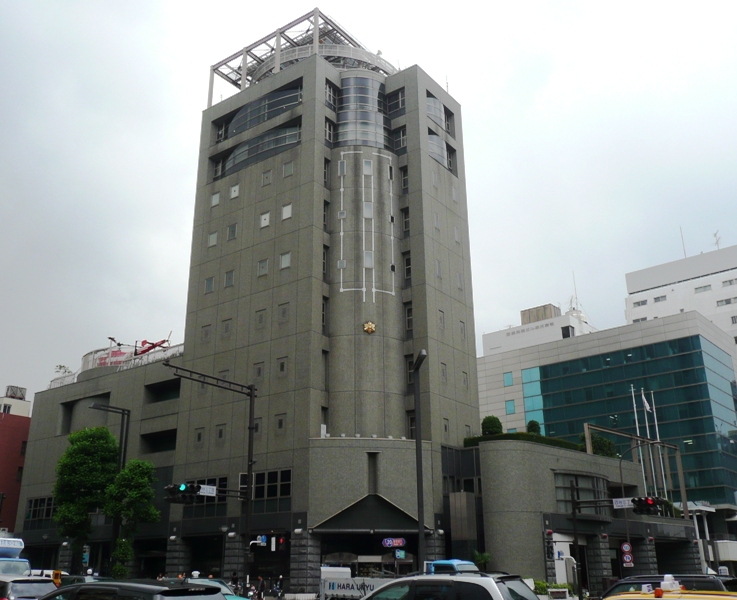
The Fire Museum is located in Yotsuya, Shinjuku, Tokyo. Operated by the Tokyo Fire Department, it exhibits the history of firefighting from the Edo period to today, including fire engines and equipment.

The Folk Museum of Ōta City is run by Ota Ward, Tokyo. It displays archaeological, historical, and folk materials from the Ota area, introducing local history through excavated finds and objects from everyday life.

The Chōfu City Mushanokōji Saneatsu Memorial Museum is located in Wakabacho, Chofu, Tokyo. It honors the writer and painter Mushanokōji Saneatsu, preserving the house and garden where he spent his later years along with his works and materials.

The Beni Museum is located in Minami-Aoyama, Minato, Tokyo. Run by Isehan, a maker of beni (safflower rouge) dating back to the Edo period, it introduces the history of traditional Japanese cosmetics and beni culture.

The Philatelic Museum is located in Mejiro, Toshima, Tokyo. It collects and displays stamps from Japan and around the world, and holds special exhibitions on the history and design of stamps.

The Drum Museum in Nishi-asakusa, Taito, Tokyo, specializes in drums. It gathers Japanese taiko and drums from countries around the world, and visitors can play some of the instruments on display.

The Senshū Bunko is a museum located in Chiyoda, Tokyo. It holds materials and artworks handed down from the Satake family of the former Akita domain, exhibiting old documents and paintings by theme.

The Taito City Calligraphy Museum is located in Taito, Tokyo. It holds Chinese and Japanese calligraphy, stone-inscription rubbings, and writing implements collected by the calligrapher Nakamura Fusetsu.

The Memorial Museum for Soldiers, Detainees in Siberia, and Postwar Repatriates is located in the Shinjuku Sumitomo Building in Shinjuku, Tokyo. It conveys the hardships of conscripted soldiers, Siberian internees, and overseas repatriates through materials and testimony.

The Sato Museum of Art is located in Shinjuku, Tokyo. It places emphasis on supporting young artists, frequently holding exhibitions that introduce the work of emerging creators, including Japanese-style painters.

The Kokugakuin University Museum is located in Shibuya, Tokyo, as part of Kokugakuin University. It holds materials on Shinto, archaeology, and Japanese culture, displaying ritual objects and excavated finds.

The Nakano Historical Museum is a history and folklore museum run by Nakano Ward, Tokyo. It exhibits the history, folk materials, and excavated finds of the Nakano area, introducing the district's past and daily life.

The Shinjuku Historical Museum sits in the Sanei-cho area of Shinjuku and presents the district's local history. Its displays trace Shinjuku from the Edo period through modern times, including archaeological material from the old Yotsuya area.