All places in Tokyo

The Ueno Royal Museum is a private art museum located within Ueno Park. Rather than a permanent collection, it focuses on special exhibitions and open-call shows, regularly hosting contemporary art events.

The Statue of Hachikō stands in the square in front of Shibuya Station in Shibuya ward, Tokyo. It honors the dog Hachikō, who waited at the station each day for his deceased owner, and is one of Shibuya's best-known meeting spots.

Sumida Aquarium is an urban aquarium located inside Tokyo Skytree Town in Sumida ward, Tokyo. It is known for its large open water tanks and exhibits of penguins and jellyfish.

The National Showa Memorial Museum stands in Kudanshita, Chiyoda, Tokyo. It documents everyday life during the Showa era, especially the wartime and postwar years, through artifacts and household objects.

The Okura Museum of Art in Minato, Tokyo, is regarded as Japan's first private art museum. It holds East Asian art and antiquities assembled by businessman Okura Kihachiro, housed in a distinctive Chinese-style building.

The National Film Archive of Japan is the country's only national institution dedicated to film. Located in Kyobashi, central Tokyo, it collects and preserves Japanese and foreign films and holds screenings and film-related exhibitions.

The Meguro Parasitological Museum in Meguro, Tokyo, is a rare museum devoted entirely to parasites. It displays a wide range of parasite specimens, famously including a very long tapeworm, combining research with public exhibition.

The Artizon Museum in Kyobashi, central Tokyo, is the successor to the former Bridgestone Museum of Art, reopened in a new building. It holds a wide collection including Impressionist and modern Western painting and modern Japanese art.

The Ni-Tele Really Big Clock is a giant mechanical clock designed by Hayao Miyazaki in collaboration with Studio Ghibli. Mounted on the Nippon Television headquarters in Shiodome, Tokyo, it stages an animated performance of moving figures at set times.

Kamiya Bar is a long-established bar in Asakusa, Taito, Tokyo. Often cited as Japan's first Western-style bar, it is famous for its brandy-based 'Denki Bran' and has been a local favorite for generations.

The Tokyo Photographic Art Museum is located in Yebisu Garden Place in Meguro, Tokyo. As a public museum dedicated to photography and moving images, it focuses on collecting these works and staging exhibitions.

The Fukagawa Edo Museum is located in Fukagawa, Koto, Tokyo. It recreates the streets, shops, and homes of Fukagawa during the Edo period at life size, letting visitors experience the daily life of ordinary townspeople.

The Museum of Maritime Science sits near Odaiba in the Higashi-yashio area of Shinagawa, Tokyo. Known for its ship-shaped building, it presents exhibits on navigation, shipbuilding, and ocean science.

The Mori Art Museum occupies the upper floors of the Mori Tower at Roppongi Hills in Minato. It stages international contemporary art exhibitions and shares its level with the Tokyo City View observation deck.

The Setagaya Literary Museum in Setagaya, Tokyo, is a museum devoted to literature. It collects and exhibits materials related to writers connected with the area and regularly holds literature-themed special exhibitions.

The Sumo Museum is located inside the Ryogoku Kokugikan arena in Sumida, Tokyo. It holds materials on sumo's history and culture, including records of past yokozuna, ceremonial aprons, and woodblock prints.

The Mitsui Memorial Museum is housed in the Mitsui Main Building in Nihonbashi, central Tokyo. It preserves Japanese and East Asian art, tea utensils, and paintings collected over generations by the Mitsui family.

The Printing Museum in Bunkyo, Tokyo, is dedicated to the history of printing. Operated by Toppan, it presents the development of printing technology, type, and printed matter through artifacts and hands-on exhibits.

The Kikuchi Kanjitsu Memorial Tomo Museum is located in Toranomon, Minato, Tokyo. It centers on contemporary ceramics in its collection and exhibitions, showcasing the work of present-day ceramic artists.

The Meguro Museum of Art is a public museum run by Meguro Ward, Tokyo. Set in a park near the Meguro River, it focuses on modern and contemporary Japanese art in both its collection and special exhibitions.

The University Art Museum belongs to the Tokyo University of the Arts in Ueno, Taito, Tokyo. It holds artworks the university has assembled over many years along with graduation works, and frequently shows exhibitions by students and artists.

The Center of the Tokyo Raids and War Damage documents and exhibits the 1945 firebombing of Tokyo. Through victims' belongings, testimonies, and photographs, it conveys the scale of the air raids and the memory of the war.

The Kodansha Noma Memorial Museum, in Bunkyo, Tokyo, was operated by the publisher Kodansha. It held and exhibited modern artworks such as Japanese-style paintings collected by the founding Noma family.

The Gotoh Museum is located in Kaminoge, Setagaya, Tokyo. It holds East Asian classical art collected by Gotoh Keita, the founder of Tokyu, including paintings and tea utensils, set within an expansive garden.

The Hasegawa Machiko Art Museum is located in the Sakurashinmachi area of Setagaya. It holds artworks collected by Hasegawa Machiko, creator of the manga 'Sazae-san,' and her sister, along with materials on her own work.

The Setagaya Art Museum stands within Kinuta Park in Setagaya, Tokyo. Surrounded by greenery, it holds exhibitions of modern and contemporary Japanese art, including works by naïve artists.

Dojō Iida-ya is a long-established restaurant in Asakusa, Taito, Tokyo. It is known for loach dishes such as 'dojō-nabe' and 'dojō-jiru', offering regional cuisine handed down since the Edo period.


Kanda Matsuya is a soba restaurant in the Kanda area of Chiyoda. A long-established shop, it is one of Tokyo's well-known soba restaurants, recognized for its hand-made buckwheat noodles.

Sushi no Midori Sohonten (main building) is a sushi restaurant in the Shibuya area. Known for reasonable prices and generous toppings, it is a popular spot that often draws queues.


Matsumotoro is a long-established Western-style restaurant inside Hibiya Park in Chiyoda ward, Tokyo. With a history dating back to the Meiji era, it is known for dining amid the park's scenery.


Kanda Yabusoba is a long-established soba restaurant in Kanda, Chiyoda ward, Tokyo. It is well known as a buckwheat-noodle specialist carrying on the tradition of the Yabu lineage.

Sunshine Aquarium is located on the rooftop of Sunshine City in Ikebukuro, Toshima, Tokyo. Built around the concept of an 'oasis in the sky', it is known for its varied marine life and displays of penguins and sea lions.

The Ebara Hatakeyama Museum of Art is located in the Shirokanedai area of Minato. Based on the collection of the industrialist and tea master Hatakeyama Issei, it holds tea utensils and Japanese and East Asian artworks.

The Currency Museum of the Bank of Japan is located near the Bank of Japan in Nihonbashi, central Tokyo. Operated by the central bank, it presents Japanese currency and its history from ancient times to the present.
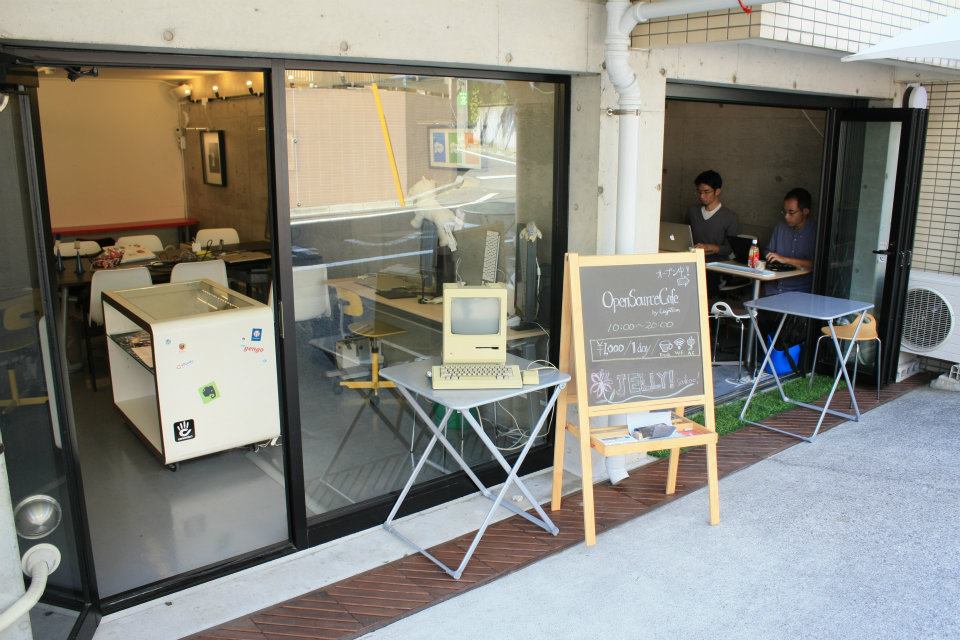
The Shimokitazawa Open Source Café is a café in the Shimokitazawa area of Setagaya. It is known as a gathering spot for developers and the tech community, doubling as a café and coworking space.

Far East Cafe is a café located in Minato ward of Tokyo. It serves coffee, drinks, and light fare.

Coffee L'ambre (Ranburu) is a long-established music café in Shinjuku, Tokyo. It is known for its spacious basement hall that plays classical music and its retro Shōwa-era interior.

The Tokyo Waterworks Historical Museum traces the history of Tokyo's water supply. Using artifacts and models, it shows the development from Edo-period systems such as the Kanda and Tamagawa aqueducts to the modern waterworks.

NHK Studio Park was a broadcasting theme park at the NHK Broadcasting Center in Shibuya, Tokyo. It introduced the process of making programs, shows, and characters through hands-on exhibits and was popular with families.


The Daimyo Clock Museum in Yanaka, Taito, Tokyo, specializes in clocks. It gathers and displays Japanese 'wadokei' clocks made for daimyo lords during the Edo period, illustrating how time was once measured in Japan.

The Setagaya City Local Museum is a folk and history museum run by Setagaya Ward, Tokyo. Located on the grounds of the old Daikan's residence, it displays local history, folklore, and archaeological materials.

The Toguri Museum of Art is a ceramics-focused museum in the Shoto area of Shibuya. Its collection centers on Japanese porcelain such as Imari and Nabeshima ware, along with Chinese and Korean ceramics.

The Bunkyo Museum is a local history museum for Bunkyo City. It covers the area's archaeological finds, modern daily life, and the many writers associated with Bunkyo such as Mori Ogai.

The Chihiro Art Museum Tokyo in Nerima, Tokyo, honors picture-book artist Iwasaki Chihiro. Built where she lived, it holds her watercolor paintings of children and original picture-book illustrations.

The Taro Okamoto Memorial Museum in Aoyama, Minato, Tokyo, commemorates the artist Taro Okamoto. Set in his former studio and home, it preserves his works, sculptures, and the space where he created them.