All places in 교토시

The Kyoto Art Center is an arts hub housed in a former elementary school building. It operates as a venue for diverse activities including exhibitions, performances, and support for artists.

The Yūrinkan Museum (Fujii Saiseikai) is a museum in the Okazaki area of Kyoto. It collects and exhibits a collection centered on Chinese art.
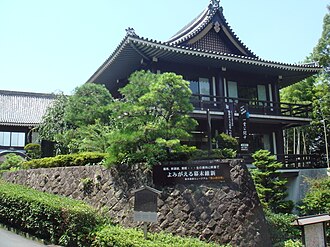
The Ryozen Museum of History is a museum in the Ryōzen area of Kyoto's Higashiyama district. It specializes in historical materials from the late Edo (Bakumatsu) period and the Meiji Restoration.

The Hosomi Museum is a private museum in the Okazaki area of Kyoto. It covers a broad range of Japanese art, holding collections of paintings, crafts, and Buddhist art.

The Kyoto City Archaeological Museum is a museum dealing with archaeological materials excavated in Kyoto. It presents the city's ancient history through excavated artifacts and related materials.

The Koryo Museum of Art is a museum in Kyoto dedicated to Korean art. It collects and exhibits art from the Korean peninsula, including ceramics and paintings.

The Kyoto City Library of Historical Documents is a facility that collects and preserves historical materials of Kyoto City. It manages records such as old documents and holds related exhibitions.

The Ōtani University Museum is a museum attached to Ōtani University in Kyoto. It exhibits a collection centered on Buddhism and the humanities.

The Museum of Shiga Prefecture Biwako-Bunkakan is a museum that stood on the shore of Lake Biwa in Ōtsu. It is known for housing art and historical materials of Shiga Prefecture as well as Buddhist cultural properties tied to the lakeside region.

The Kyoto Municipal Museum of School History is a museum dealing with the history of school education in Kyoto. Housed in a former school building, it exhibits materials about modern education and schools in Kyoto.

The Setsuko Mitsuhashi Memorial Museum is an art museum devoted to the works of painter Setsuko Mitsuhashi. It collects and exhibits the paintings of the Japanese-style painter Setsuko Mitsuhashi.

The Kyoto Prefectural Insho-Domoto Museum of Fine Arts is a prefectural museum devoted to the works of Japanese-style painter Insho Domoto. The building was designed by the artist himself, inside and out, and it collects and exhibits his paintings.

The Costume Museum is a Kyoto museum dealing with the life and customs of the Heian period. It recreates aristocratic residences and clothing based on the Tale of Genji using miniature models.

The Kyoto Seishū Netsuke Art Museum is a museum in the Mibu area of Kyoto that specializes in netsuke. Housed in a former samurai residence, it collects and exhibits these finely carved miniature ornaments.

The Clock Museum and Treasure House at Ōmi Jingū is a clock-themed museum attached to the Ōmi Jingū shrine. The shrine enshrines Emperor Tenji, who is associated with timekeeping, and the museum exhibits various clocks and timekeeping materials.

The Onishi Seiwemon Museum is a museum connected to the Onishi Seiwemon family, makers of tea-ceremony kettles in Kyoto. It introduces chagama (tea kettles) and the family's tradition of casting them.

The Raku Museum is a museum connected to the Raku family, who have made Raku-ware tea bowls in Kyoto for generations. It collects and exhibits Raku ceramics and works related to the tea ceremony.