All places in 교토시

Mount Hiei rises on the border of Kyoto and Shiga Prefecture and is home to Enryaku-ji, the head temple of the Tendai school. Enryaku-ji is a UNESCO World Heritage Site, and the mountain can be reached by cable car and scenic driveway.

The Kyoto Art Center is an arts hub housed in a former elementary school building. It operates as a venue for diverse activities including exhibitions, performances, and support for artists.

The Golden Pavilion (Kinkaku) is the gilded reliquary hall of Rokuon-ji temple in Kyoto's Kita ward, with its upper floors covered in gold leaf. It is known for its reflection in the Kyōko-chi mirror pond and is associated with the Muromachi shogun Ashikaga Yoshimitsu.

The Kitamura Museum is a museum in Kyoto focused on art related to the tea ceremony. It is a private museum that collects and exhibits tea utensils and related works.

The Yūrinkan Museum (Fujii Saiseikai) is a museum in the Okazaki area of Kyoto. It collects and exhibits a collection centered on Chinese art.
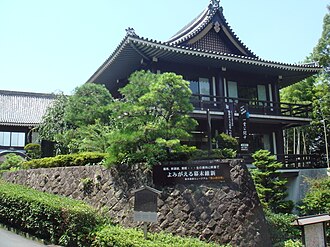
The Ryozen Museum of History is a museum in the Ryōzen area of Kyoto's Higashiyama district. It specializes in historical materials from the late Edo (Bakumatsu) period and the Meiji Restoration.


The Hosomi Museum is a private museum in the Okazaki area of Kyoto. It covers a broad range of Japanese art, holding collections of paintings, crafts, and Buddhist art.


The Kyoto City Archaeological Museum is a museum dealing with archaeological materials excavated in Kyoto. It presents the city's ancient history through excavated artifacts and related materials.

The Koryo Museum of Art is a museum in Kyoto dedicated to Korean art. It collects and exhibits art from the Korean peninsula, including ceramics and paintings.

The Kyoto City Library of Historical Documents is a facility that collects and preserves historical materials of Kyoto City. It manages records such as old documents and holds related exhibitions.

The Ōtani University Museum is a museum attached to Ōtani University in Kyoto. It exhibits a collection centered on Buddhism and the humanities.

The Terado Ōtsuka Kofun is an ancient burial mound in the Mukō area of Kyoto Prefecture. It is an archaeological tomb site that reflects the burial culture of its era.

The Museum of Shiga Prefecture Biwako-Bunkakan is a museum that stood on the shore of Lake Biwa in Ōtsu. It is known for housing art and historical materials of Shiga Prefecture as well as Buddhist cultural properties tied to the lakeside region.

Takasegawa Nijōen is a restaurant along the Takase River near Kiyamachi-dōri in Kyoto. It is an eatery housed in a residence with a garden.

Mount Nyoigatake is a peak in the Higashiyama range east of Kyoto. It is part of the ridge connected to Daimonji-yama, where the giant character for 'great' is lit during the summer Okuribi bonfire ceremony.

Diorama Kyoto Japan is a railway diorama attraction located by Saga-Arashiyama Station, exhibiting one of Japan's largest model railway dioramas with miniature landscapes. It also offers hands-on operating experiences popular with families.

Mount Otowa is a mountain in the area around the border of Kyoto and Shiga. It is a peak with hiking trails.

Mount Ōiwa is a peak rising in the Fushimi area of Kyoto. Part of the hills to the southeast of the city, it offers views over the urban area from its surroundings.

Mount Kinugasa rises in the Kita Ward area of northwestern Kyoto. Famous temples such as Kinkaku-ji and Ryōan-ji sit at its foot, and the mountain has long been known for its scenery.


Mount Daimonji is a mountain on the eastern side of Kyoto. It is known as the mountain where the giant character '大' is lit during the summer Okuribi (Gozan no Okuribi) ceremony.

Mount Amidagamine is a peak in the Higashiyama area of Kyoto. Its summit is known as the site of Toyotomi Hideyoshi's mausoleum, giving it deep historical significance.

The Kyoto Municipal Museum of School History is a museum dealing with the history of school education in Kyoto. Housed in a former school building, it exhibits materials about modern education and schools in Kyoto.


The Setsuko Mitsuhashi Memorial Museum is an art museum devoted to the works of painter Setsuko Mitsuhashi. It collects and exhibits the paintings of the Japanese-style painter Setsuko Mitsuhashi.

The Kyoto Prefectural Insho-Domoto Museum of Fine Arts is a prefectural museum devoted to the works of Japanese-style painter Insho Domoto. The building was designed by the artist himself, inside and out, and it collects and exhibits his paintings.

The Costume Museum is a Kyoto museum dealing with the life and customs of the Heian period. It recreates aristocratic residences and clothing based on the Tale of Genji using miniature models.

The Kyoto Seishū Netsuke Art Museum is a museum in the Mibu area of Kyoto that specializes in netsuke. Housed in a former samurai residence, it collects and exhibits these finely carved miniature ornaments.

Tarumiyama Kofun is an ancient burial mound located in the western part of Kyoto. Classified as a tumulus site, it is surrounded by quiet residential areas and greenery.

The Clock Museum and Treasure House at Ōmi Jingū is a clock-themed museum attached to the Ōmi Jingū shrine. The shrine enshrines Emperor Tenji, who is associated with timekeeping, and the museum exhibits various clocks and timekeeping materials.

The Onishi Seiwemon Museum is a museum connected to the Onishi Seiwemon family, makers of tea-ceremony kettles in Kyoto. It introduces chagama (tea kettles) and the family's tradition of casting them.

The Raku Museum is a museum connected to the Raku family, who have made Raku-ware tea bowls in Kyoto for generations. It collects and exhibits Raku ceramics and works related to the tea ceremony.

Kyoto Brighton Hotel is a hotel in Kyoto City. It is a lodging facility located in central Kyoto.


Hotel Granvia Kyoto is a hotel connected to the Kyoto Station building. It is a lodging facility located directly linked to the station.

Rihga Royal Hotel Kyoto is a hotel near Kyoto Station. It is a lodging facility located in central Kyoto.

Hyatt Regency Kyoto is a hotel in the Higashiyama area of Kyoto. It is a lodging facility located near Sanjūsangen-dō.

Hotel Anteroom Kyoto is a hotel in Kyoto. It is known as a lodging facility that incorporates art and design.

Sakura Terrace The Gallery is a hotel in the area south of Kyoto Station. It is a lodging facility located in central Kyoto.


The Thousand Kyoto is a hotel located near the Karasuma exit of Kyoto Station. It is known for its station-adjacent location and minimalist design.

Kyoto Century Hotel is a hotel located near the Karasuma exit of Kyoto Station. Its proximity to the station makes it a base for Shinkansen travel and city sightseeing.

THE Gate Hotel Kyoto Takasegawa by Hulic is a hotel located near the Takase River in the Kawaramachi area. It sits centrally, close to the Shijo-Kawaramachi district and the Kamo River.

Mitsui Garden Hotel Kyoto Shinmachi Bettei is a Mitsui Fudosan-affiliated hotel located along Shinmachi-dori. It is known as an annex-style lodging that draws on the atmosphere of traditional Kyoto townhouses.

Utano Youth Hostel is a youth hostel in the Utano area of Kyoto. It is a lodging facility for travelers.

Hotel Keihan Kyoto Grande is a hotel under the Keihan group in Kyoto. It is a lodging facility located near Kyoto Station.

The Prince Kyoto Takaragaike is a hotel in the Takaragaike area of Kyoto. It is a lodging facility located near Takaragaike in the northern part of the city.